The Art of Packing for Remote Coastal Expeditions
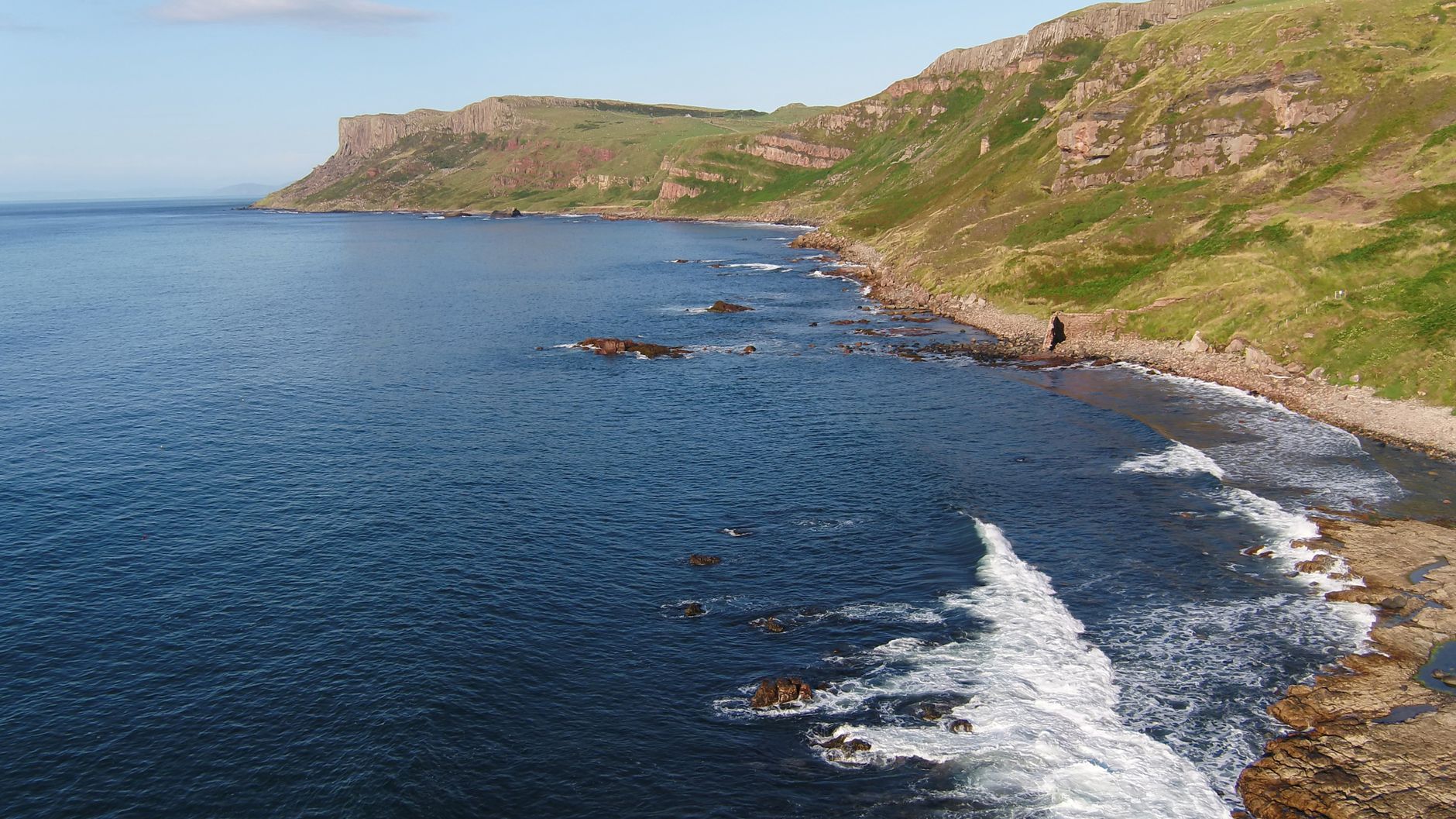 Field testing technical wools and weatherproof bags along the Westfjords coast.
Packing for a journey through the North Atlantic—whether traversing Iceland’s maritime capes, Norway’s Lofoten archipelago, or Scotland’s Outer Hebrides—is fundamentally an exercise in risk mitigation. In these latitudes, rainfall does not fall vertically; it arrives horizontally driven by gale-force squalls, probing every vulnerable zipper and seam.
The Layering Doctrine: Moisture Over Temperature
Amateur travelers obsess over extreme thermal insulation, packing bulky down jackets suited for static polar camps. In high-humidity coastal settings, however, physical exertion generates perspiration that condensates inside impermeable layers, leading rapidly to hypothermia once movement halts.
- The Base Foundation: 200–260 gsm ethically sourced merino wool. Merino retains thermal insulation properties even when damp and naturally resists bacterial odor over consecutive days.
- The Active Insulation: Highly breathable grid fleece or lightweight synthetic loft jackets that purge excess heat during ascents.
- The Outer Shell: A three-layer membrane with fully taped seams and a minimum 28,000mm hydrostatic head rating.
Discipline of the Single Bag
True luxury on an expedition is agility. Being burdened with multiple rolling suitcases destroys spontaneous detours into Zodiac tenders or small island mail ferries. Restricting total luggage volume to forty liters forces a rigorous distillation of essentials.
By selecting garments that operate seamlessly in both rigorous outdoor conditions and quiet heritage dining rooms, the modern explorer travels lighter, moves quieter, and engages more deeply with the destination.